Energy AfterlivesMain MenuIntroductionAboutCoalOilNuclearTextual AfterlivesMusical AfterlivesPlanned and unplanned musical responses to coal, oil, nuclearPhysicalizations and VisualizationsLinks to all our project pagesInterviewsA collection of interviews with writers conducted by Energy Afterlives students.Feedback
AMD Armoring Limestone
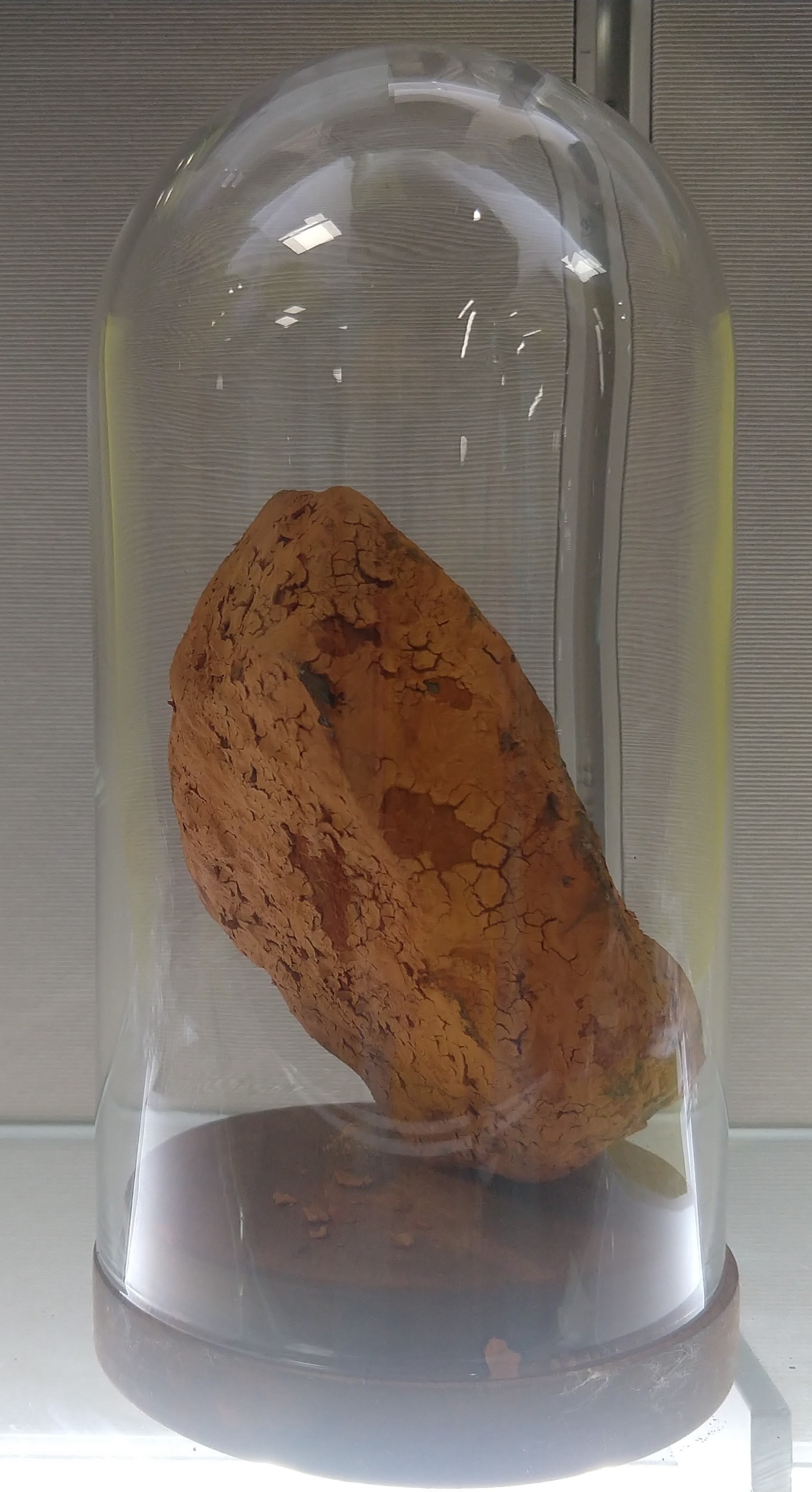
1media/IMG_20220801_142419139_thumb.jpg2022-08-05T01:06:17+00:00Leila Byerly2000a39653f4747f52ea5c65f800e896ead2c01f11A sample of limestone collected from the Silver Creek AMD remediation site coated in heavy metal precipitates in a jar for display in Bryn Mawr College's Park Science center.plain2022-08-05T01:06:17+00:00Leila Byerly2000a39653f4747f52ea5c65f800e896ead2c01f
This page is referenced by:
12022-08-05T02:08:41+00:00AMD Armoring Limestone17Limestone reacts with acidic water to neutralize it. However, as it forms a gypsum shell and becomes coated in loose mineral waste such as iron it is unable to react, making remediation efforts less effective.plain2022-08-05T02:32:52+00:00 Limestone is used because it reacts with acidic water to neutralize it. However, as it forms a gypsum shell and becomes coated in loose mineral waste such as iron it is unable to react, making remediation efforts less effective.
Acid is essentially loose hydrogen ions (H+). These show up in the watershed from the degradation of sulfates released as waste in the coal mining process. Limestone (CaCO3) reacts with the hydrogen according to the following equation:
CaCO3 + H+ → Ca2+ + HCO3-
so hydrogen ions aren’t floating around, making the water less acidic.
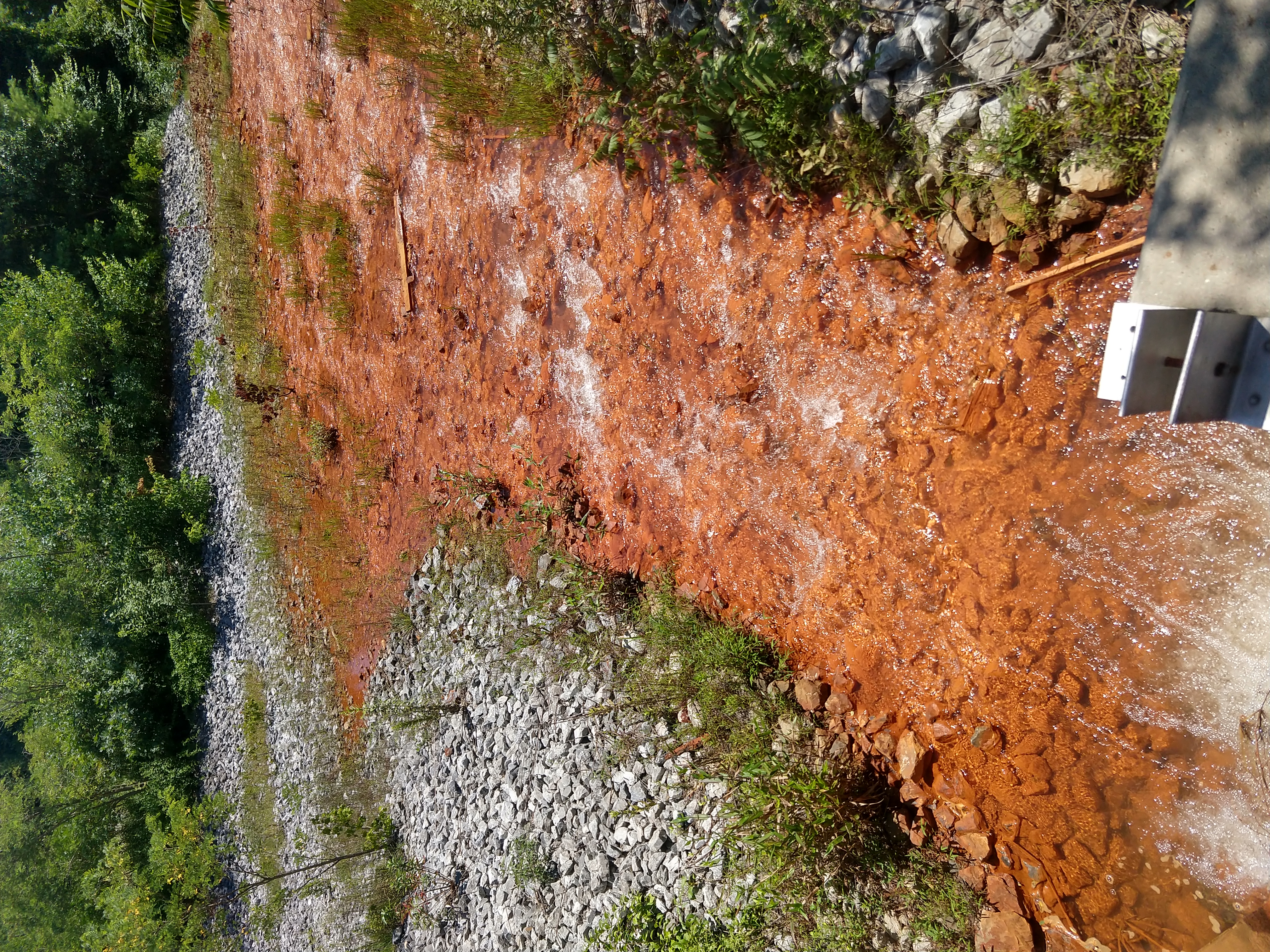
At the Silver Creek AMD remediation site AMD is flowed over a series small of limestone “waterfalls” gradually reducing the water’s acidity and causing heavy metals like iron to precipitate out of the water. This technique is effective for a time, but the Ca2+ cation can react with any dissolved SO4 and water to form CaSO4·2H2O (gypsum). This gypsum coats the limestone so it can no longer touch the acidic water and neutralize it. The limestone also gets covered in iron precipitates—also called “yellow boy” (mostly goethite: Fe(OH)3) for its color. Which further prevents remediation over time.