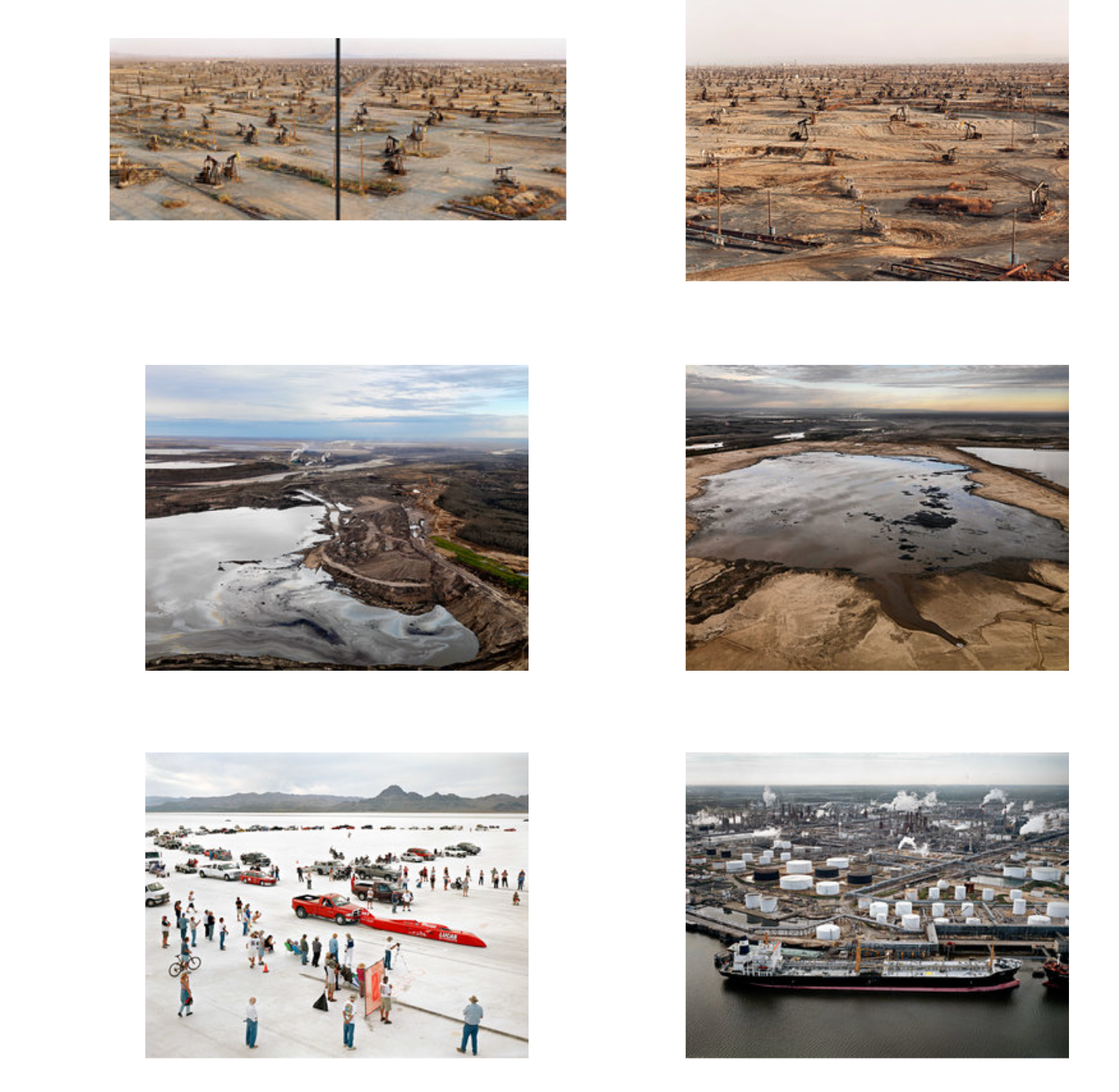
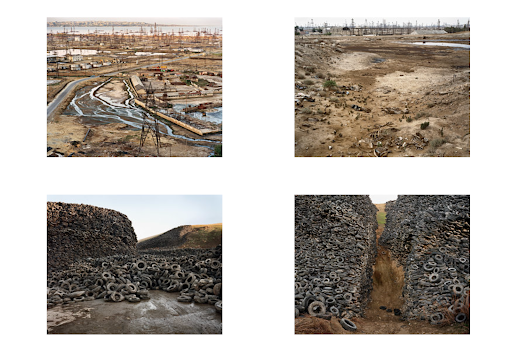
Burtysnky summary pic
1 media/Burtysnky summary pics_thumb.png 2024-07-31T23:35:41+00:00 Lucy Dellera 5d80e0b5bccdc773185cafbc47ca42a810d722f0 1 3 Some of Burtynsky's shots depicting active oil extraction, untouched oil fields, use of automobiles, and export/processing of oil. plain 2024-07-31T23:41:12+00:00 Lucy Dellera 5d80e0b5bccdc773185cafbc47ca42a810d722f0This page is referenced by:
-
1
media/Burttynsky background.png
media/scalar oil cover pic.png
2024-07-19T21:54:39+00:00
Photographing Oil (Edward Burtynsky)
37
image_header
2024-08-05T15:54:09+00:00
Overview
Edward Burtynsky is a Canadian photographer born February 22, 1955 who in 2010 found himself fascinated with human achievements and chose to turn these (mostly industrial) achievements into art. As time went on, he began to think not only of what humans have achieved, but how they have achieved it. He came to realize that an integral part of modern technology is the discovery, mining, and processing of oil.
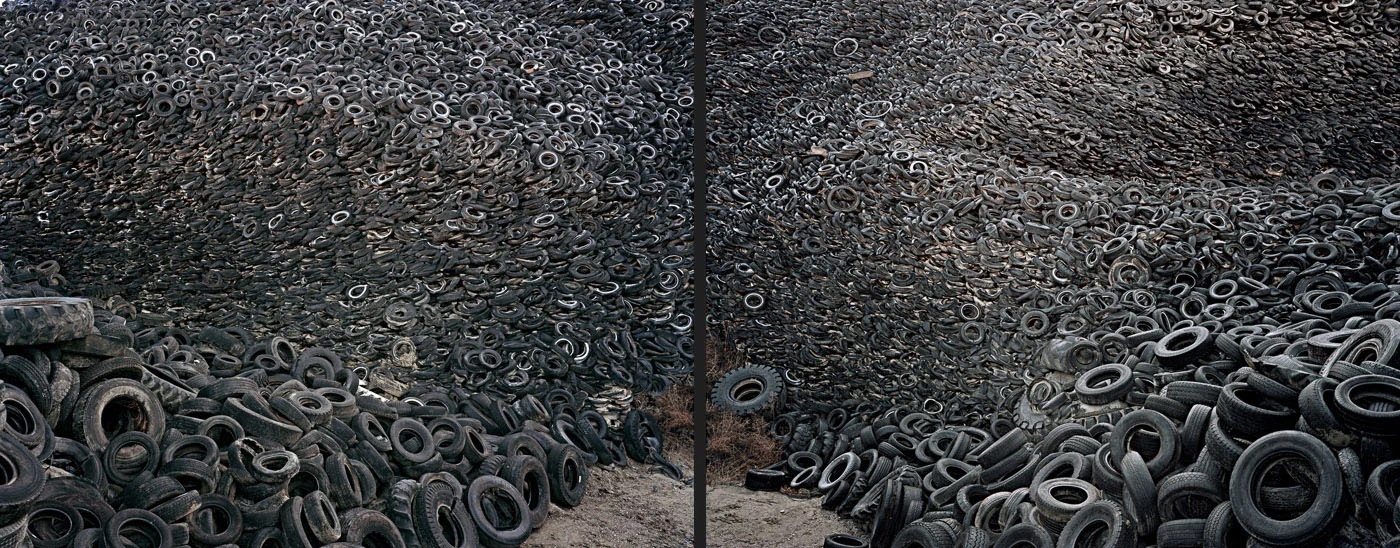
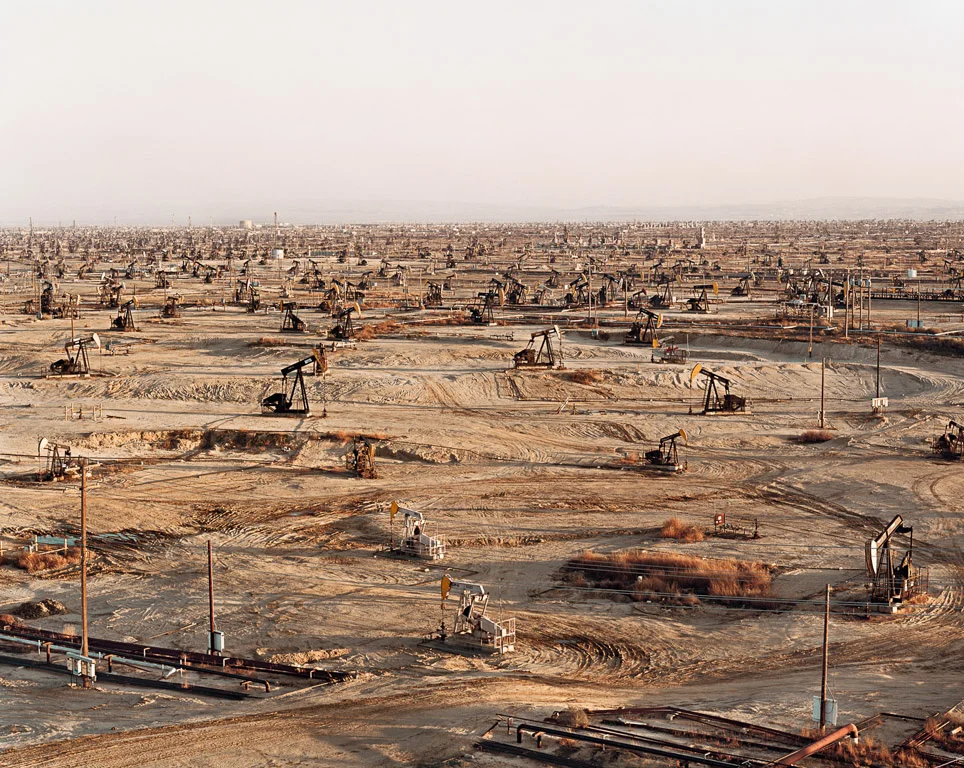
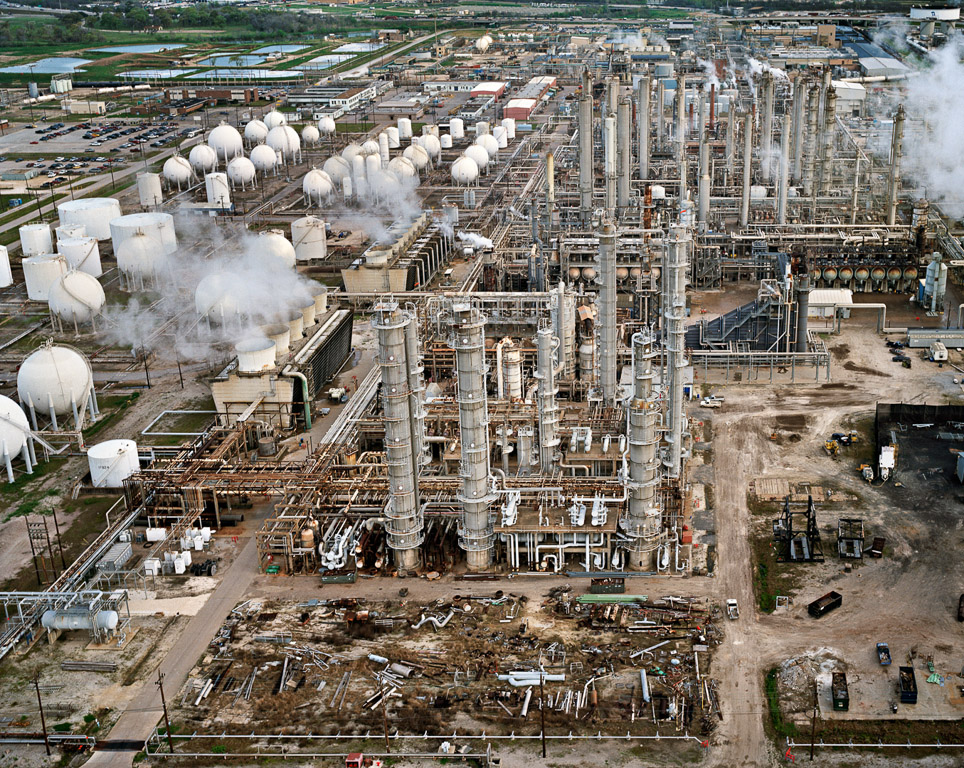
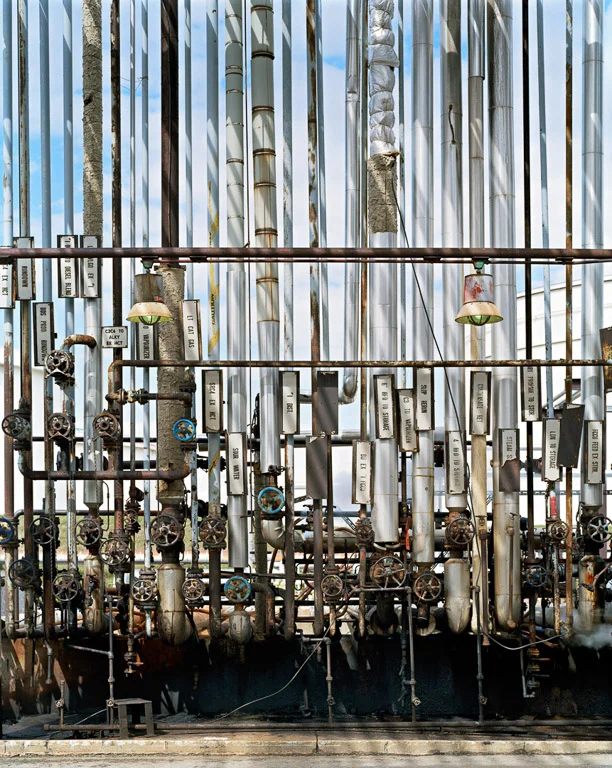
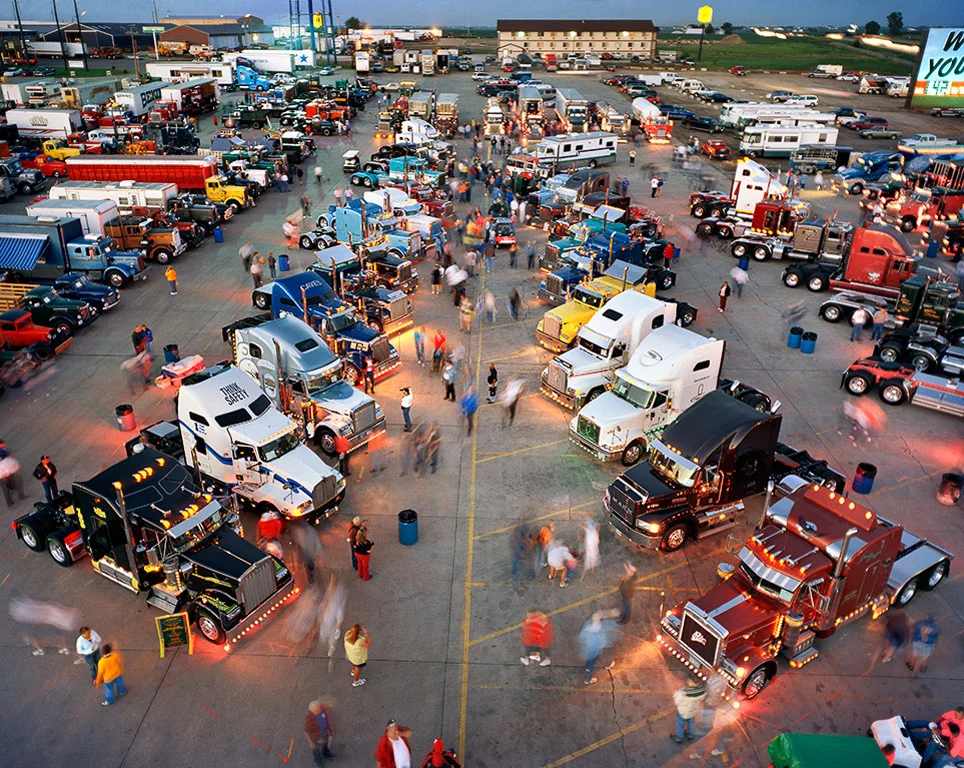
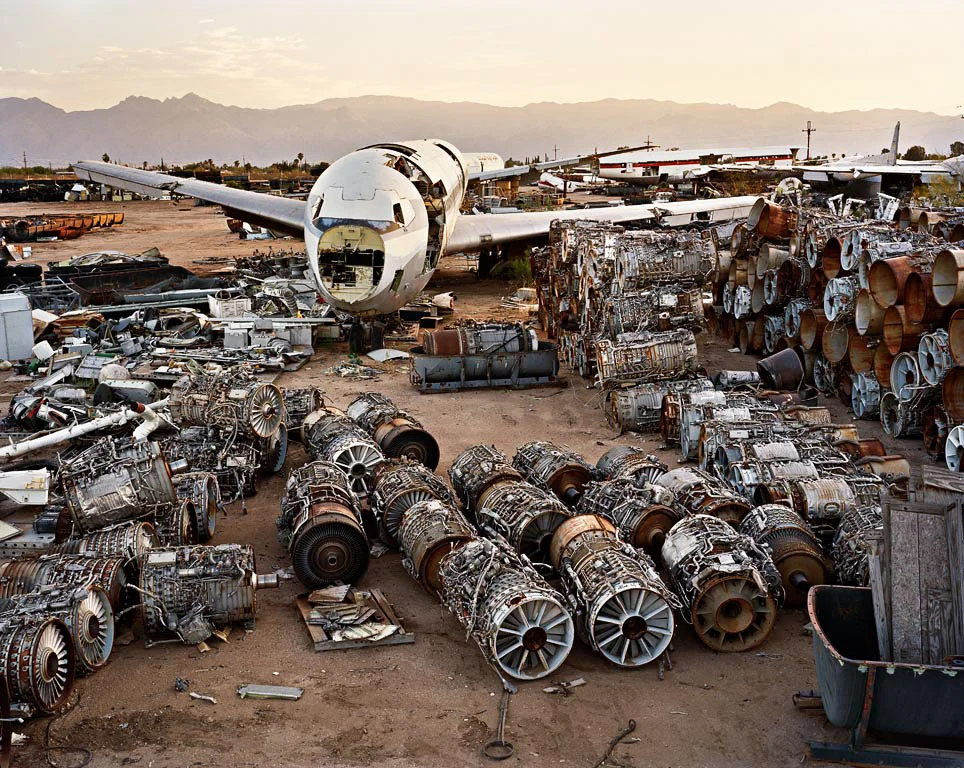
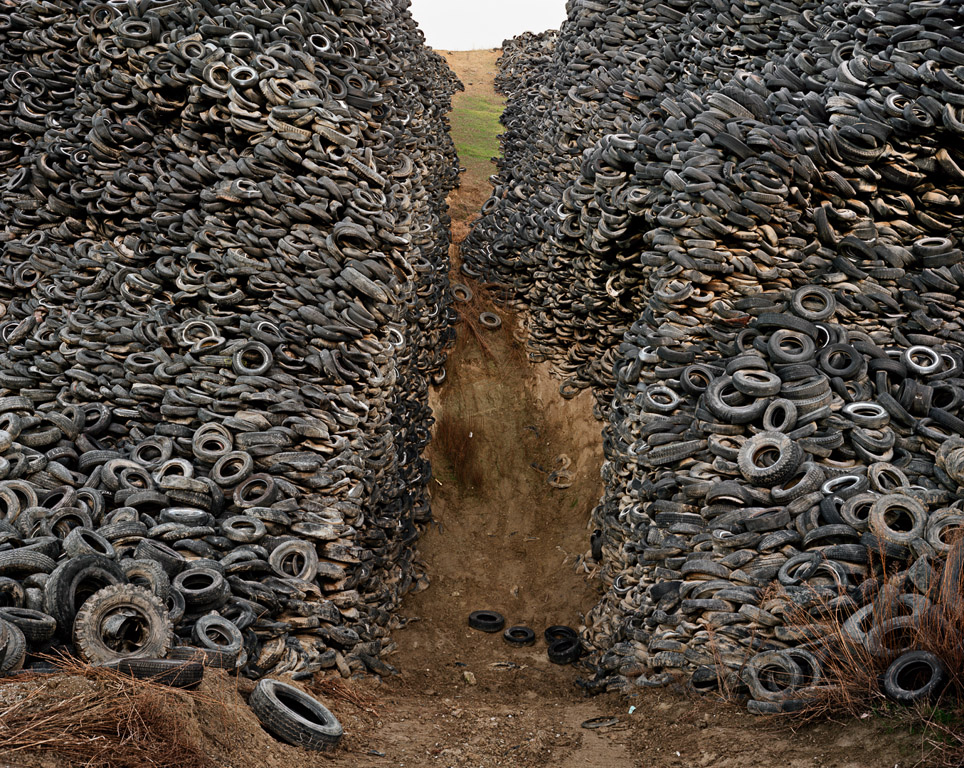
His photography project Oil captures the fossil fuel all stages of its industrial life. The first stage is when it is in its natural form, before humans have gotten the chance to extract it. An example of such would be Alberta Oil Sands #2, where there is no extraction equipment in the shot. The second industrial stage is oil harvesting, which can be seen in shots such as Oil Fields #2 which show the extraction equipment. After the oil is harvested it must be processed. There are multiple shots of the processing as seen from outside the factories, with Oil Refineries #34 showing the smoke coming from the factories and Oil Refineries #3 showing the many pipes the oil travels through in its various stages of refinement. Once the oil has been refined into various viscosities and varieties, it goes into its fourth industrial stage, technology. Burtynsky focuses on mostly cars, car-centered infrastructure, and aeronautics, all huge consumers of oil. Truckers Jamboree #1 shows the peak of the automobile, with all of the truck drivers socializing outside their massive vehicles. Finally, Burtynsky shows the abandonment of our once useful machines in shots such as Jet Engines and Oxford Tire Pile #8.Analysis
Photography of ecological devastation and industrialism can be very controversial. Some might argue that the goal of photography is to depict something beautiful, to get a “good shot,” and thus using it for oil and similar subjects may lead to glorification. Burtynsky's shots are in fact beautiful at a first glance. The colors mesh well; there are leading lines, geometry, symmetry etc. The beautiful composition could seem counterproductive, but the pictures are still sinister; the beauty draws the viewer in with a false sense of security.
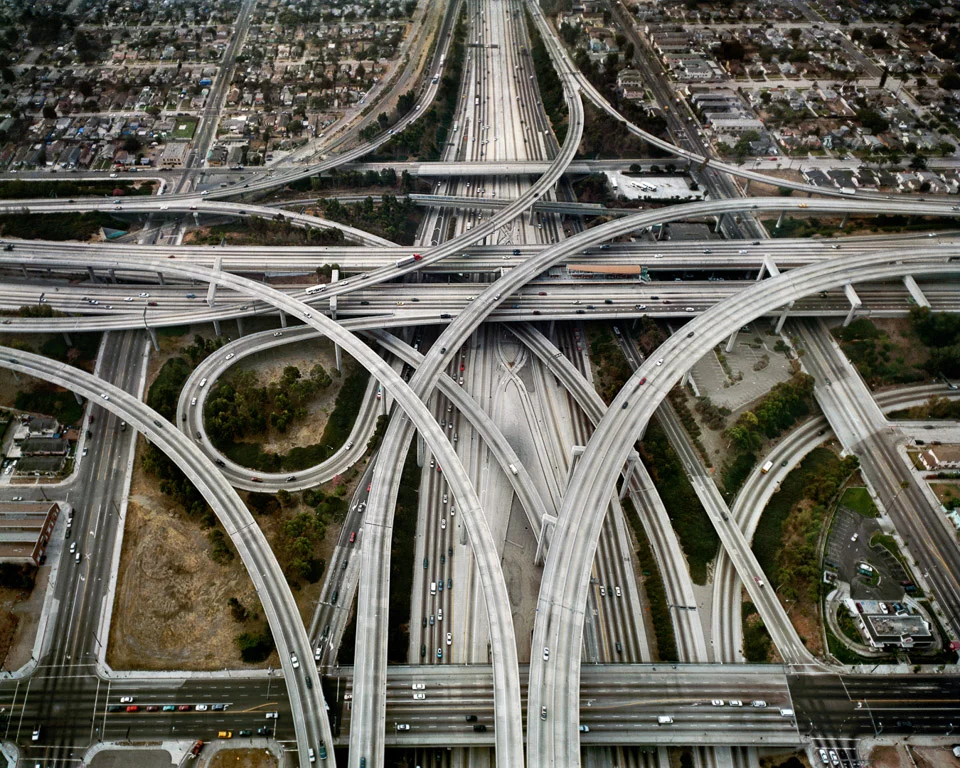
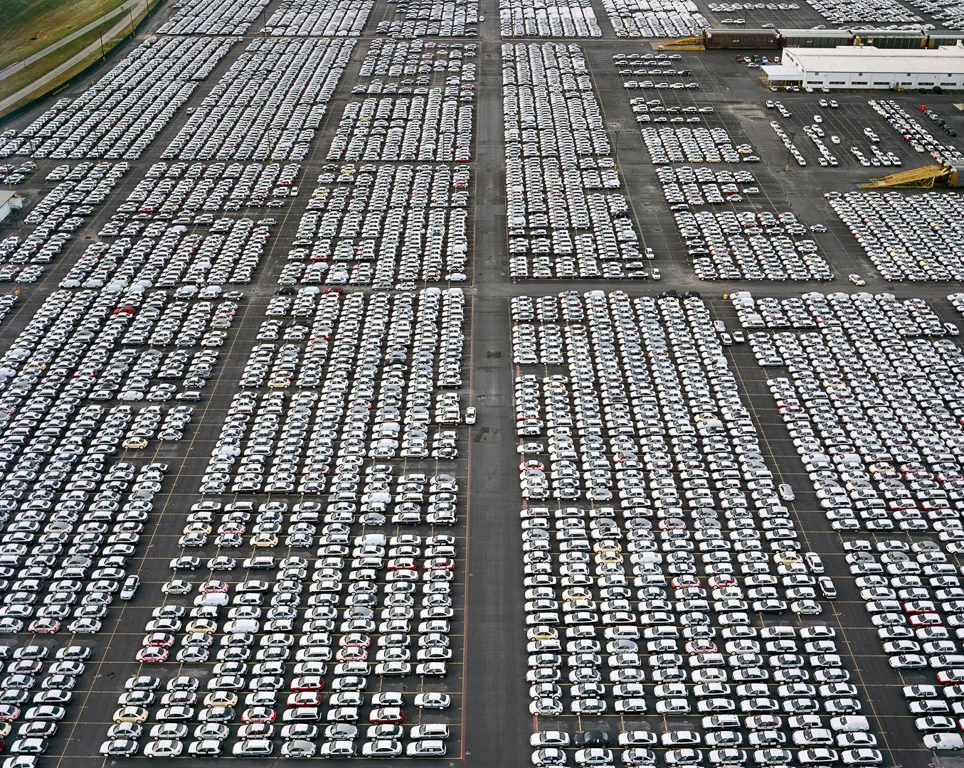
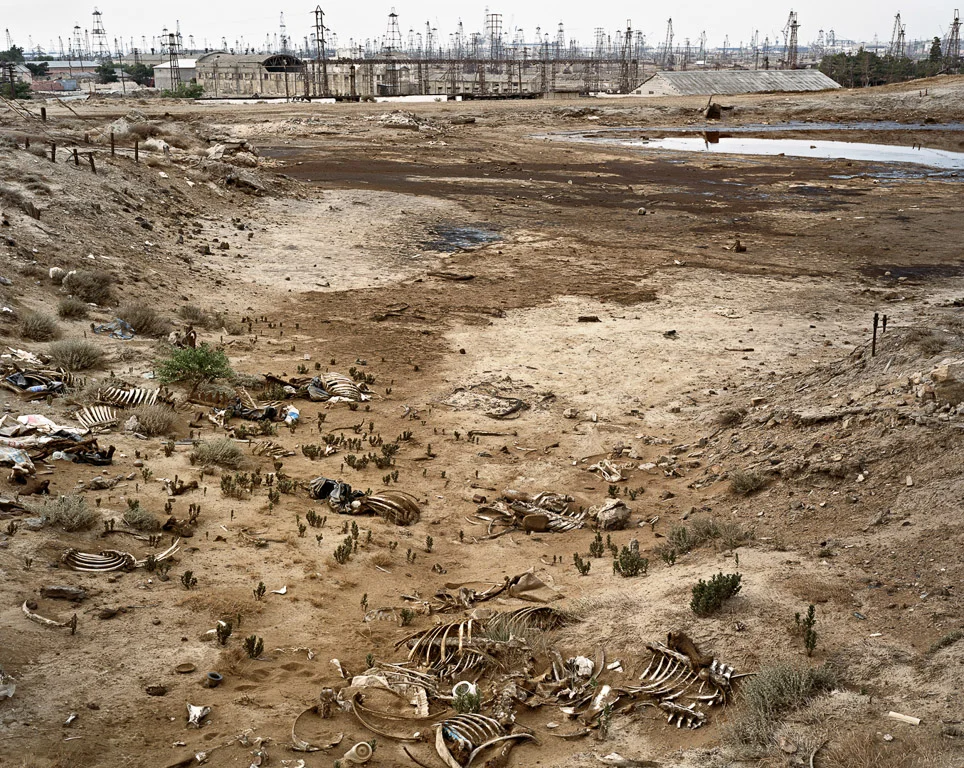
Burtynsky addresses the issue of glorification by juxtaposing the various forms of oil. For example, the individual shot Highway #1 is visually appealing. It shows a genuine miracle of human innovation, all of the roads are precisely engineered to let every car get to where it needs to. When seen next to VW Lot #1, Highway #1 makes the viewer begin to question why this engineering is necessary — understanding how spatially inefficient these individual cars are. Then when the viewer sees Oxford Tire Pile #8, which depicts one element of vehicular waste, it reinforces the idea that humans may have taken the idea of a personal vehicle too far. Finally, the viewer comes across the bones in the almost drained oil field of SOCAR Oil Fields #10. The bones are a symbol of death, and they force the viewer to address the uncomfortable reality of overconsumption. Humans are destroying earth's carbon sinks just to eventually abandon our creations — all at the cost of global warming and ecological devastation.Conclusion
While the industrial creations we have made are impressive and incredible, they come at a huge cost. When we exploit the Earth, we are ultimately harming ourselves. Burtynsky's work shows both the horror and the beauty in human technological advancement, and this work makes the viewer address the harm of their lifestyle. Through the understanding of industrialization's affects on the land, through Burtynksky's art, people can begin to actively work towards a better and more sustainable future.
Bibliography
Burtynsky, Edward. “Photographs: Oil.” Edward Burtynsky, www.edwardburtynsky.com/projects/photographs/oil. Accessed 28 July 2024.