Coal Mine Tunnel
1 media/DSC_4817_thumb.jpg 2022-08-03T22:36:47+00:00 Calliope Lanier 964be43d57b9576e6d25a218f5b92fea9101d0c5 1 1 Photographed by Calliope Lanier plain 2022-08-03T22:36:47+00:00 095233 20220723 20220723 095233 Calliope Lanier 964be43d57b9576e6d25a218f5b92fea9101d0c5This page is referenced by:
-
1
media/DSC_4830.JPG
2022-08-01T19:27:31+00:00
Heavy Water: A Poem for Chernobyl
12
image_header
2022-08-04T00:06:50+00:00
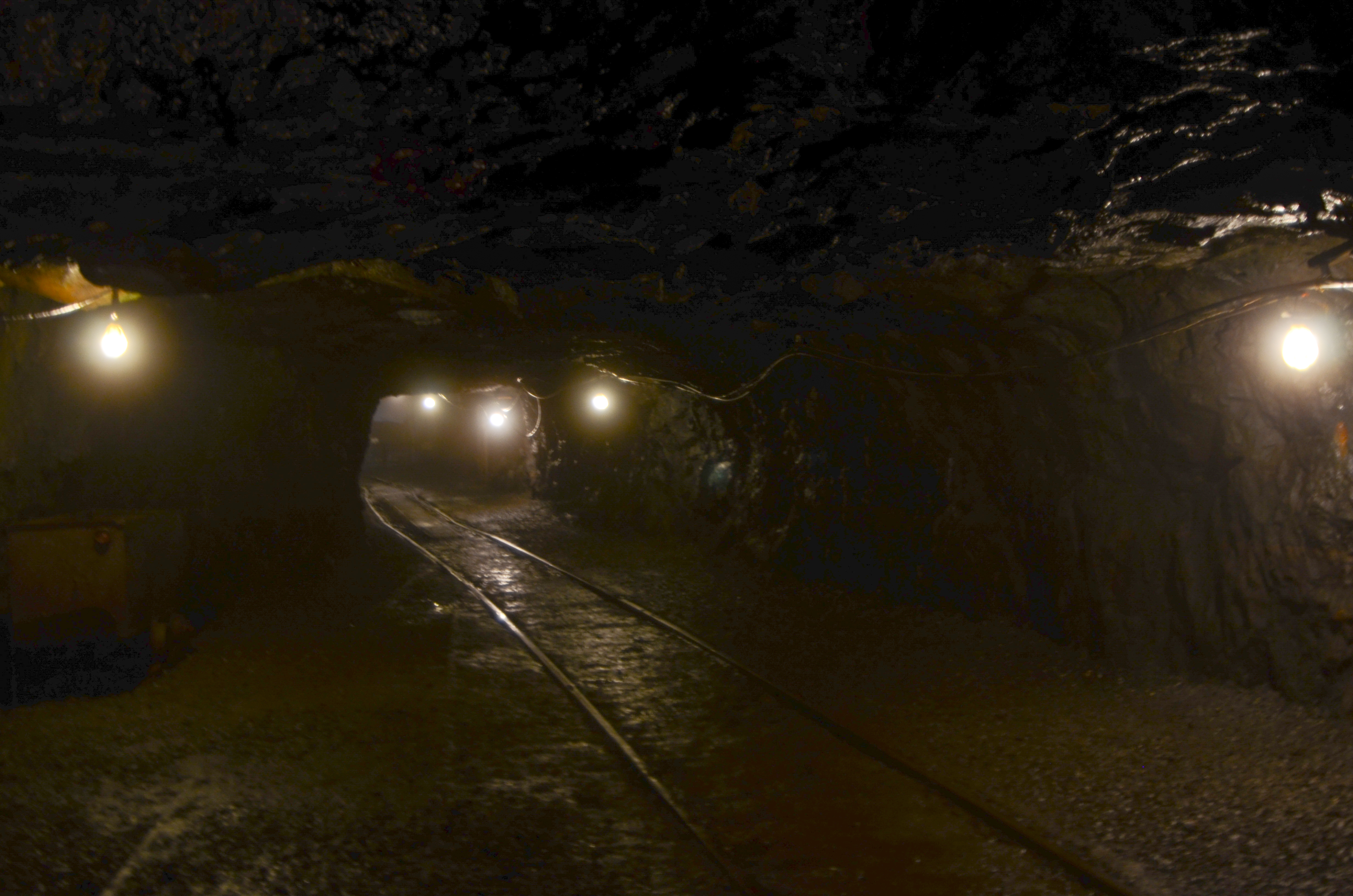
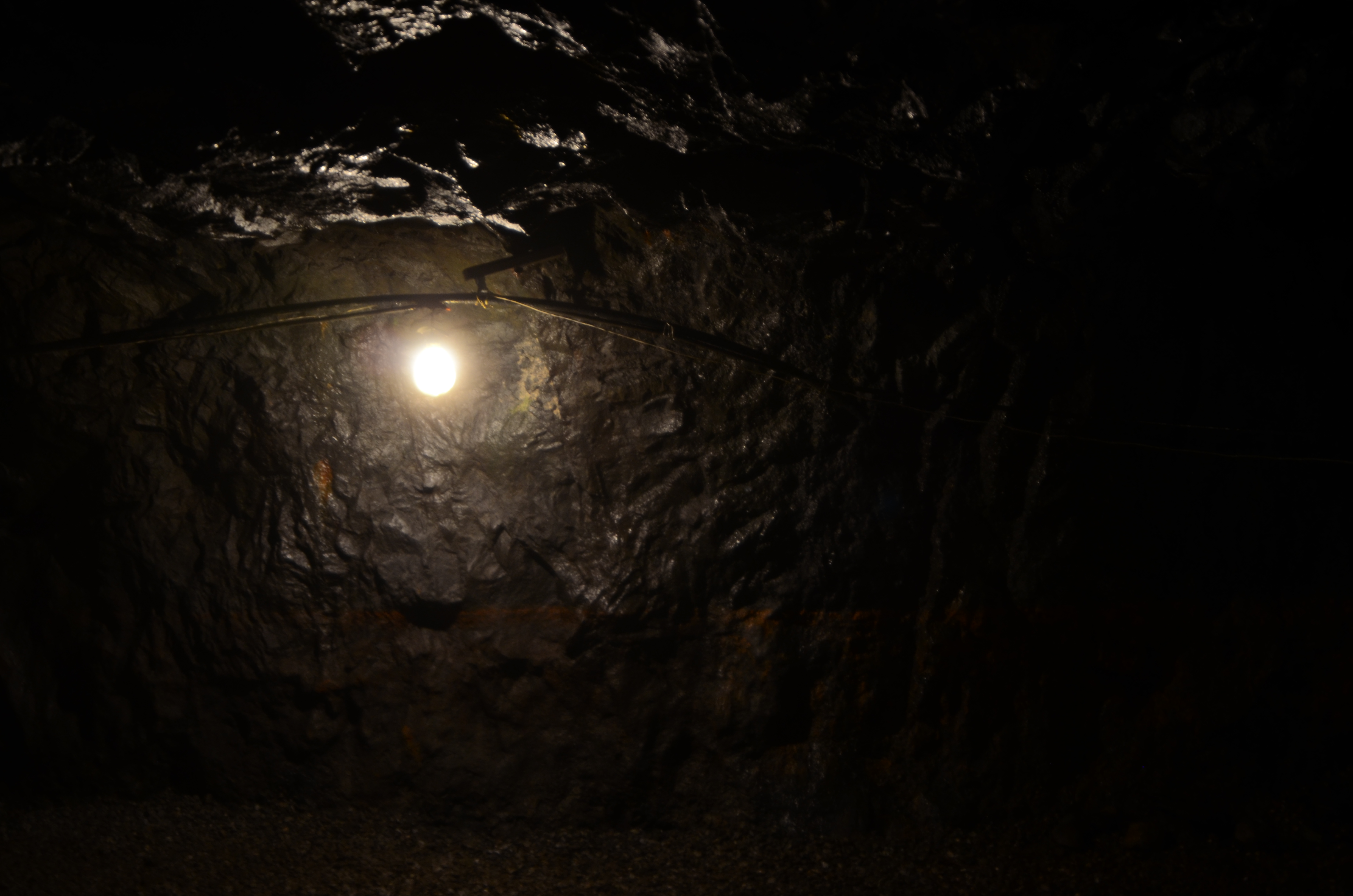
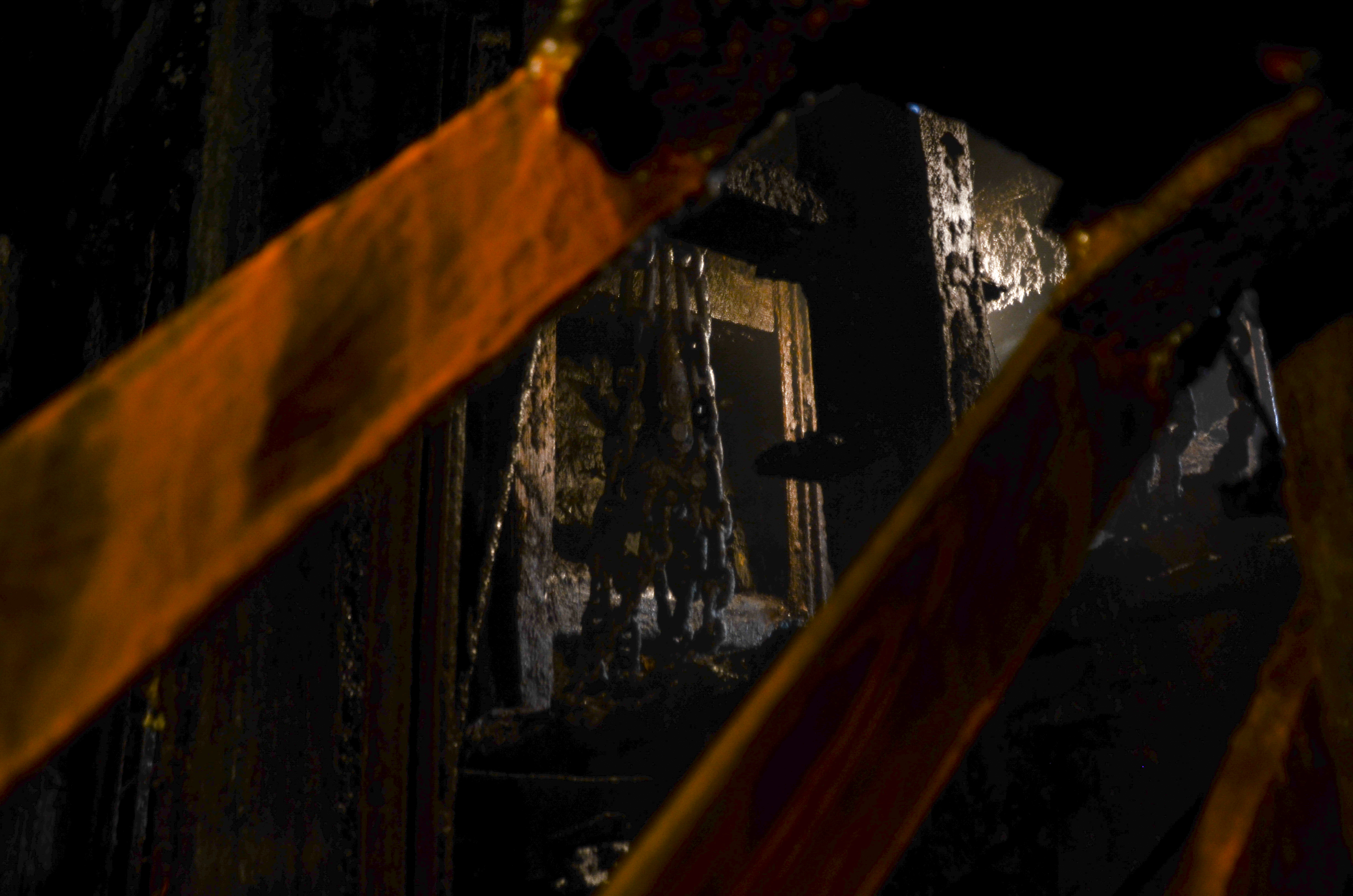
Mario Petrucci, the author of Heavy Water, was born in 1958. Through 45 poems, Petrucci considers the lives of people affected by Chernobyl and nuclear energy and depicts their stories, ranging from poems talking about the feelings and thoughts of uranium miners to poems regarding the types of radiation waves like alpha, beta, and gamma. Oftentimes when discussing industries such as nuclear energy, people tend to focus on the larger corporations, and not the thoughts and perspectives of individual people who work in the industries. Petrucci’s poems convey the experiences of people during their everyday life who are underrepresented which is important because it helps to humanize these people who are often viewed as worthless.Dust coated all parts of the uranium miner’s environment: their face, hands, feet. The mine was like a constant nighttime, and the dark and endless horizon of the tunnel was speckled with little flames that were obscured by the nebula of dust that only grew with passing time. As they mine, though, they are reminded of the fact that “[they] knew [that it] was no ordinary ore. That each grain [they] dug was worth a life (Petrucci 20). That even at the end of a workday, they had a reprieve from the darkness, but that the next day held the same fate. In Petrucci’s collection of poems, Heavy water: a poem for Chernobyl, he uses diction and imagery to discuss the relationship between people and the industries they work in, and how this development interferes with the people’s mental and physical states.
The first part of the story is defined by emotional longing and acceptance. The first page of the book starts with this quote: “The pilots got sick in the air… They would repeat calmly and simply, “This will require two or three lives. And this, one life” (13). The use of this quote functions for two purposes: for one, this quote sets the tone for the rest of the book as dismal and callous. But also, this quote relates to a central theme of the book: the acceptance of the people who realize that their life is disposable. As a result, both the pilots and the people reflect on the common sentiment in the acceptance of self-sacrifice because they start to believe that they are unworthy. The use of the phrase “calmly and simply” further connotes the desensitization of working in these high-stress environments because they are oddly calm about losing their life. A typical reaction to this scenario would be fear, yet this emotion is not present. As workers continue to question how their lives are determined by the nuclear industry, they realize their expendability. They may ask “Where are we going?” or “How long will they keep us?”, but those questions are never answered because those answers do not matter (16). Corporations believe that the priority of the workers should be the uranium, and if they are not prioritizing it, then the corporations are indifferent to their existence, as they can be easily replaced. Additionally, due to the corporation’s constant degradation, these people have internalized the corporation's beliefs to the point where they believe that they deserve to die. And so the workers “lived for morning. How it gave delicate colors to the walls of their tunnel” (20). Here, the use of “morning” does not represent actually daylight, but time outside of the mine that does not rely on small flames for sight. Therefore, this dichotomy between the corporations' and miner’s beliefs emphasizes the willingness that the workers have to reject the beliefs of mining industry corporations.
As the workers succumb to their environments, their physical state also is affected. For instance, a miner in “Breathing” notes that “they had to teach [him] from scratch. Teach [him] to breathe” (49). Due to his work, the miner is experiencing lung problems after working in toxic environments, and is no longer able to breathe without trouble. Moreover, the use of the phrase “from scratch” is significant because the readers learn that this is something that the miner knew how to do previously, but now is no longer able to do. The realization that something a person could once do is no longer possible is debilitating especially because there is no cure for his damaged lungs. The theme of debilitation continues into the other poems as well. To illustrate, in “The Room” Petrucci describes rooms such as the canteen or washroom that may be found in a hospital. Although these rooms all have designated purposes, they have been reduced to one purpose: weeping. The unanimous purpose that they all fulfill denotes the unification of all the people affected by this industry, but also the reality that every day, many lives are lost to this industry. And ultimately, the constant reminders of weeping and death cause the people to crave a release that would end the constant sadness that permeates through their lives. For example, a person explains that he wants to be “given[n] . . . an ordinary death” (86). Consequently, this miner wants a death that was not instigated by radioactive activity which highlights how nuclear energy has affected his life.
As a result of the uranium mining and nuclear industries, workers have learned to reduce themselves to a cog in a machine. Thus, how do people cope with the constant pressure of being replaceable? In “Rite,” one person mentions that they would offer food to the ground so that they would have “friends to meet them” (33). The implication here is that this person believes that there is no one in the present life who would meet them–which is reminiscent of the fact that people are taught that they are unworthy–,so they turn to religion as a means for safety and comfort. Furthermore, this theme is found in a similar work: “Great Atomic Power” by the Lauvin Brothers. This song discusses the fact that spirituality and religion is how a person can save themselves from the dangers of the nuclear industries. Ultimately, in situations that are outside of a person’s control, turning to things that give comfort is a way to reduce the impacts of stressful situations.
Work Cited
Petrucci, Mario. Heavy water: a poem for Chernobyl. Enitharmon Press, 2004. Archive.org, archive.org/details/heavywaterpoemfo0000petr/page/32/mode/2up?view=theater. Accessed 1 Aug. 2022. -
1
2022-08-03T23:03:19+00:00
Coal Mine No. 9
6
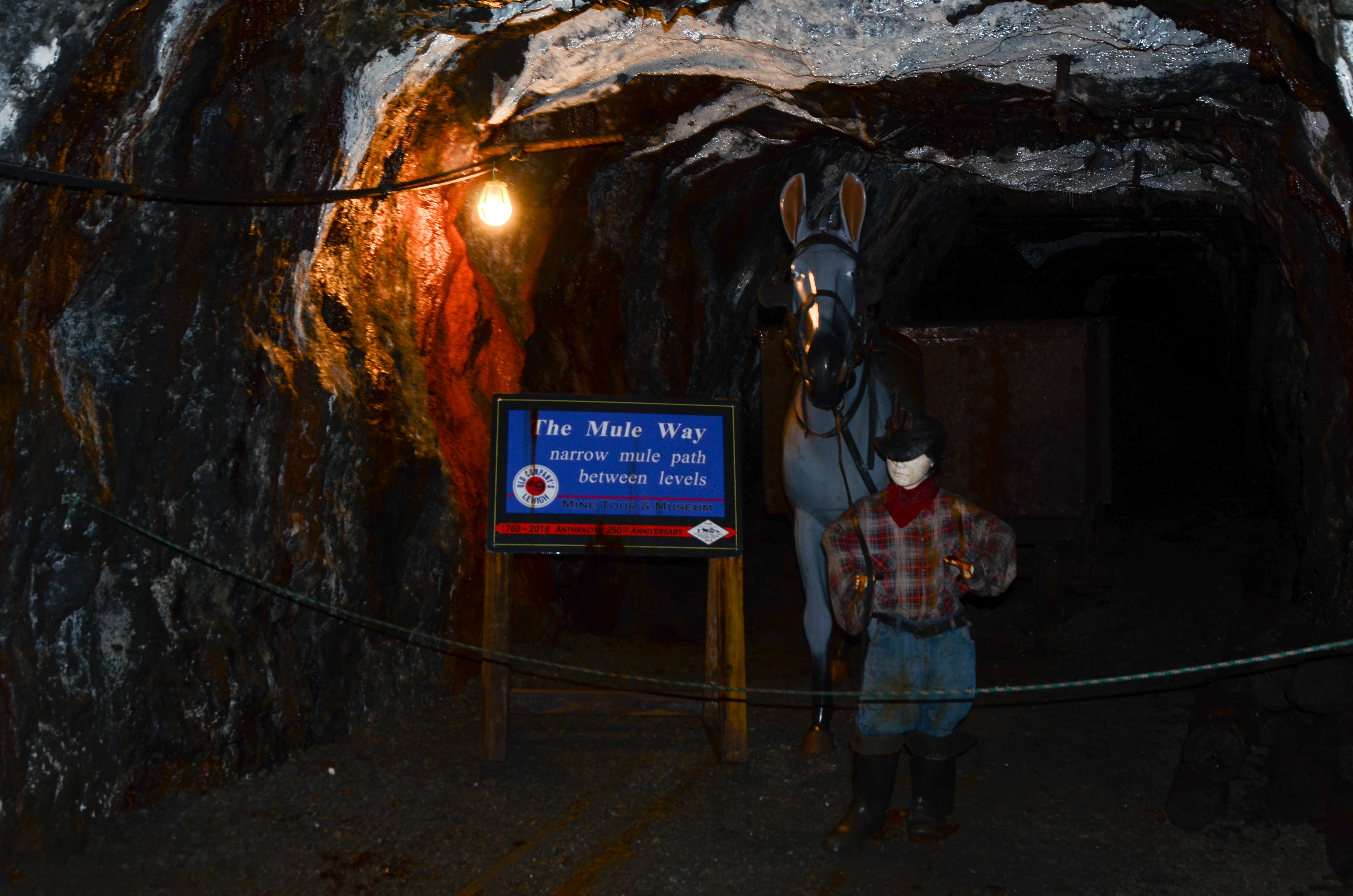
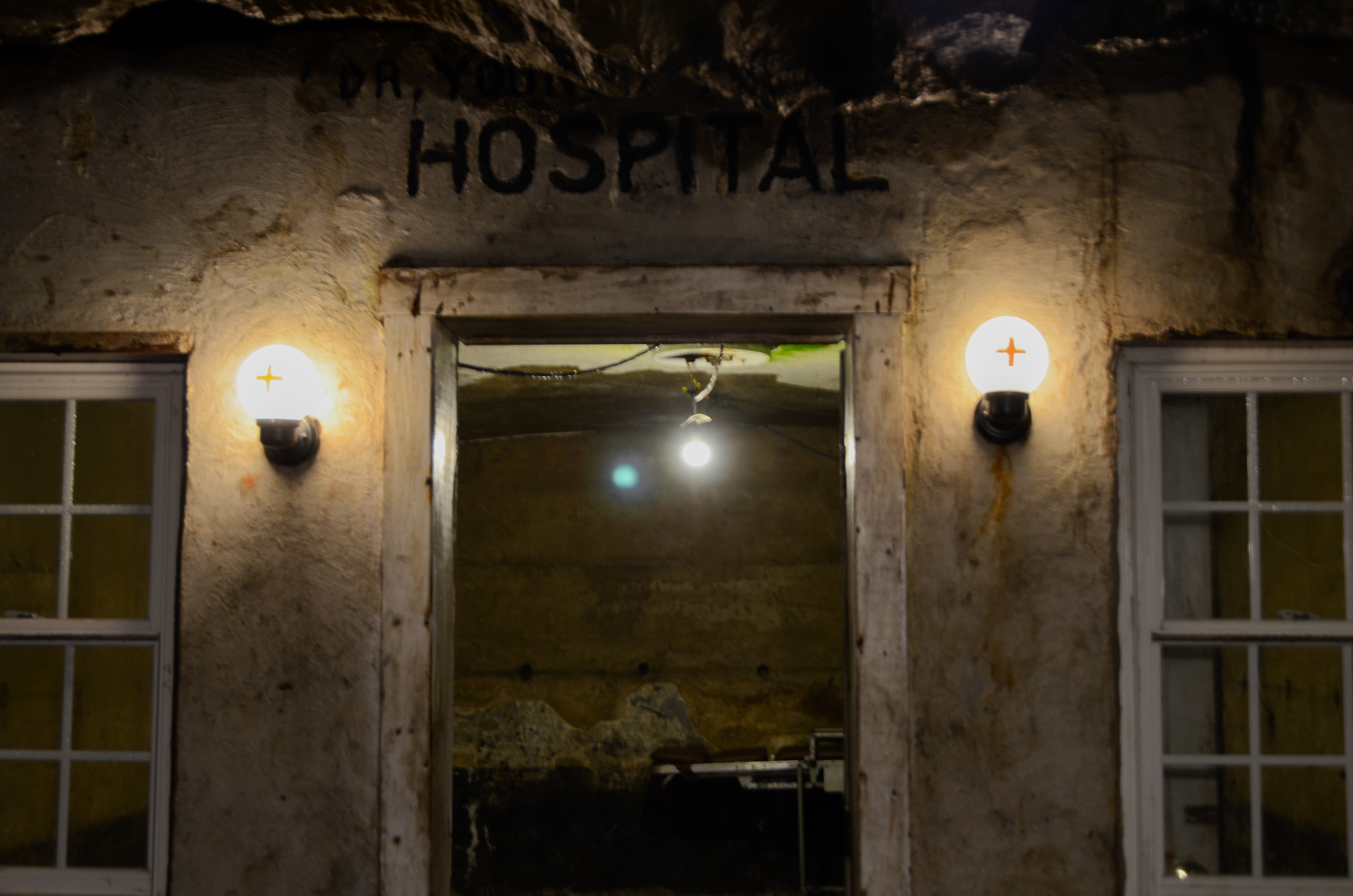
Coal mine in Coaldale, PA
gallery
2022-08-05T16:46:56+00:00