Energy AfterlivesMain MenuIntroductionAboutCoalOilNuclearTextual AfterlivesMusical AfterlivesPlanned and unplanned musical responses to coal, oil, nuclearPhysicalizations and VisualizationsLinks to all our project pagesInterviewsA collection of interviews with writers conducted by Energy Afterlives students.Feedback
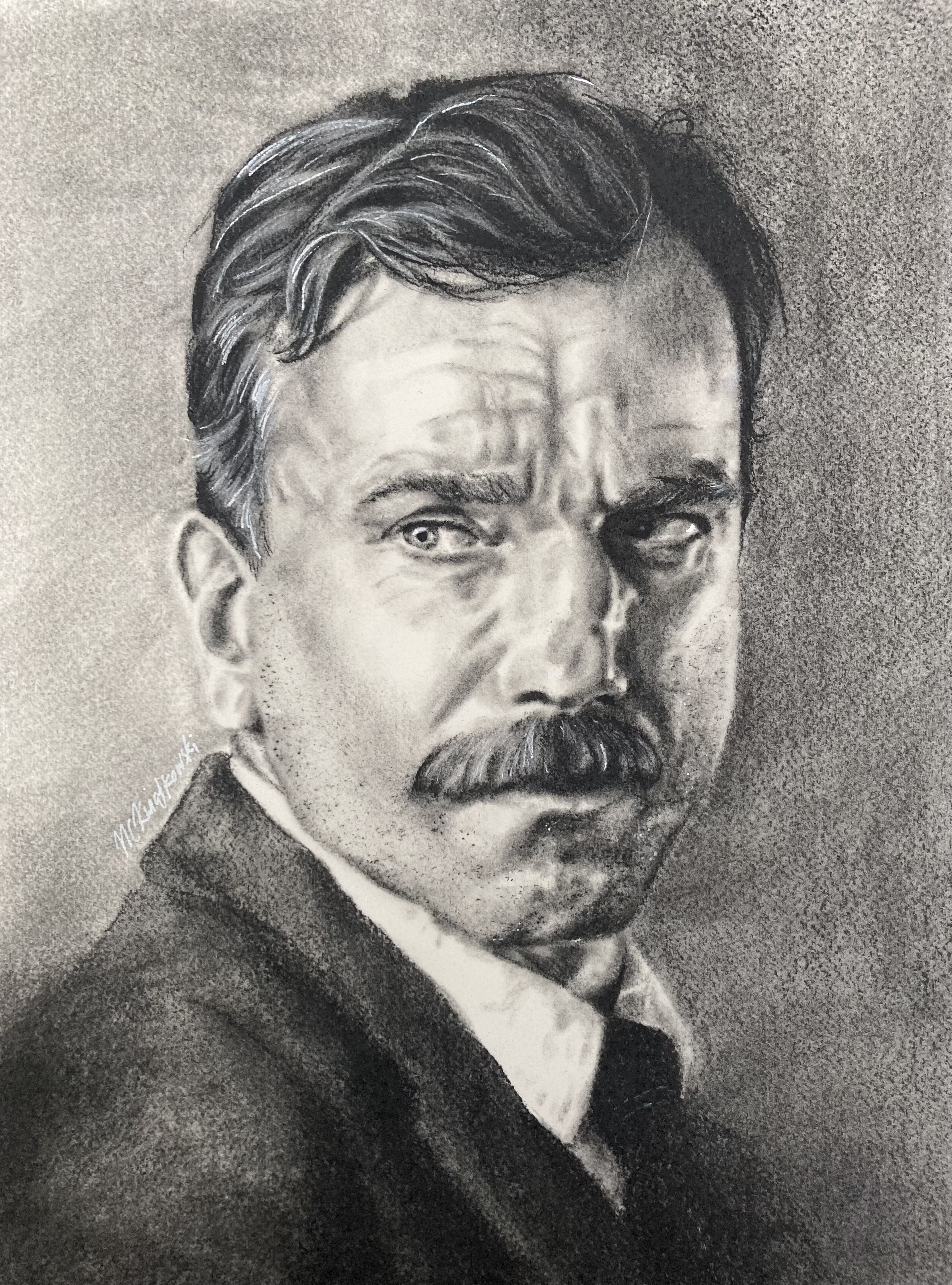
"I have a competition within me." (Kwiatkowski)
1media/Kwiatkowski - Competition_thumb.jpg2022-08-01T01:15:26+00:00José Vergara9d7e6dfed9d57006cb53f94a7107fbf1500f2da211Daniel Plainview in "There Will Be Blood" '07 by P.T. Anderson played by Daniel-Day Lewisplain2022-08-01T01:15:26+00:002022Natasha KwiatkowskiJosé Vergara9d7e6dfed9d57006cb53f94a7107fbf1500f2da2
This page is referenced by:
1media/Mine_Vergara.jpg2022-07-17T17:50:30+00:00About26plain2022-08-01T20:11:22+00:00This Scalar book features the work of students in Professors Selby Hearth's and José Vergara's courses from the summer 2022 iteration of the STEM in the Liberal Arts Fellows Program at Bryn Mawr College and provides resources related to coal, oil, and nuclear energy.
THE PROJECT As part of our efforts to understand humanity’s relationships with coal, oil, and nuclear energy sources, students in these two courses have collectively built this Scalar book. From the STML 112 course, students have contributed a selection of geologic objects they have worked with, data analyses they have conducted, samples they have taken from field sites, and conceptual diagrams. Their goal with these contributions is to synthesize their work on the geology of coal, oil, and nuclear energy and to connect it with their writings from STML 113. These reports from STML 113 describe and analyze works regarding the three energy sources that did not appear on our syllabus. They explore a wide range of materials and the intersections between humanity, nature, and energy.
THE COURSES STML 112 examines the geology of coal, oil, and nuclear energy. Through readings, specimen analyses, field sampling, and lab work, students assess the geologic conditions under which these materials form and the long-term environmental consequences of their extraction. In STML 113, we considered how these three energy sources give shape to our lives in countless ways by exploring their place in literature, music, and art. This approach allowed us to examine the personal, human elements of energy and extraction.
CONTRIBUTORS
Amanda Edelmayer '26
Leila Byerly '26 is a prospective Molecular Biology and Biochemistry major. They were born in France and lived in Kenya for 11 years before returning to France where they have lived for the past 6 years with their two cats. They have Canadian, Italian, and US passports. They enjoy knitting, sour gummy worms, and being pedantic.
Sarabjit Kaur Dhillon '26 is a prospective Biochemistry & Molecular Biology major from Ontario, California.
Suli Kamholtz-Roberts '26 is a prospective Biochemistry major from Chicago.
Rowan Killina '26 is a prospective Classical Studies major from Columbus, OH. Besides reading and writing, she enjoys collecting snails in jars and thinking about plants.
Natasha Kwiatkowski '26 is an aspiring student of the Political Science and History Departments.
Grace Trembath '26 is a prospective Biology major from Denver, Colorado.
Esenia Banuelos '26 is a prospective Linguistics and Neuroscience double-major from Chicago, Illinois. She is a Chicana poet, skateboarder and film-enthusiast hoping to become an elementary science teacher. They have raised parakeets for the past seven years.
---
Site supported by the Digital Scholarship Program at Bryn Mawr College Special thanks to Bronwen Densmore for tons of Makerspace help, Rich Willard and Rob Cunningham for fixing our display case when it broke, Pedro Marenco for training us in ICPMS analysis, Don Barber for inspiring the Winogradsky column and training us on the freeze dryer, Katherine Marenco for lending us the sand squeeze box, Tom Mozdzer for letting us use his ball mill, Leila N'Diaye for field assistance, and Alice McGrath for Scalar training and conceptualizing.
12022-08-01T18:08:07+00:00"I have a competition in me."7plain2022-08-05T18:48:29+00:00 The process: The process starts with an inital sketch of the drawing from a reference picture. From there, I proceed to lay down the first layers of charcoal with a pencil and blend into the paper; this will become the foundation for the whole drawing. Part of being an effective artist, and what I mean by effective is portraying a 3-D surface on a 2-D plane, is patience and percerverence.
The inspiration: My inspiration started with the film: "There Will Be Blood." by P.T. Anderson starting Daniel Day-Lewis as the subject of this work, Daniel Plainview. He is one of the Antagonist's of the film and. Through the story, he becomes consumed with greed and lust. Oil becomes his metaphorical blood that drives him. Similiair to how in the late 1800's to early 1900's beyond, oil was the blood of the economy.
The reason: The reason why I decided to make a connection between course STML 112 and STML 113 was that I believed that art can be a powerful conduit to tell a story without words. Afterall, a picture is worth a thousand words.