"Banking Coal"
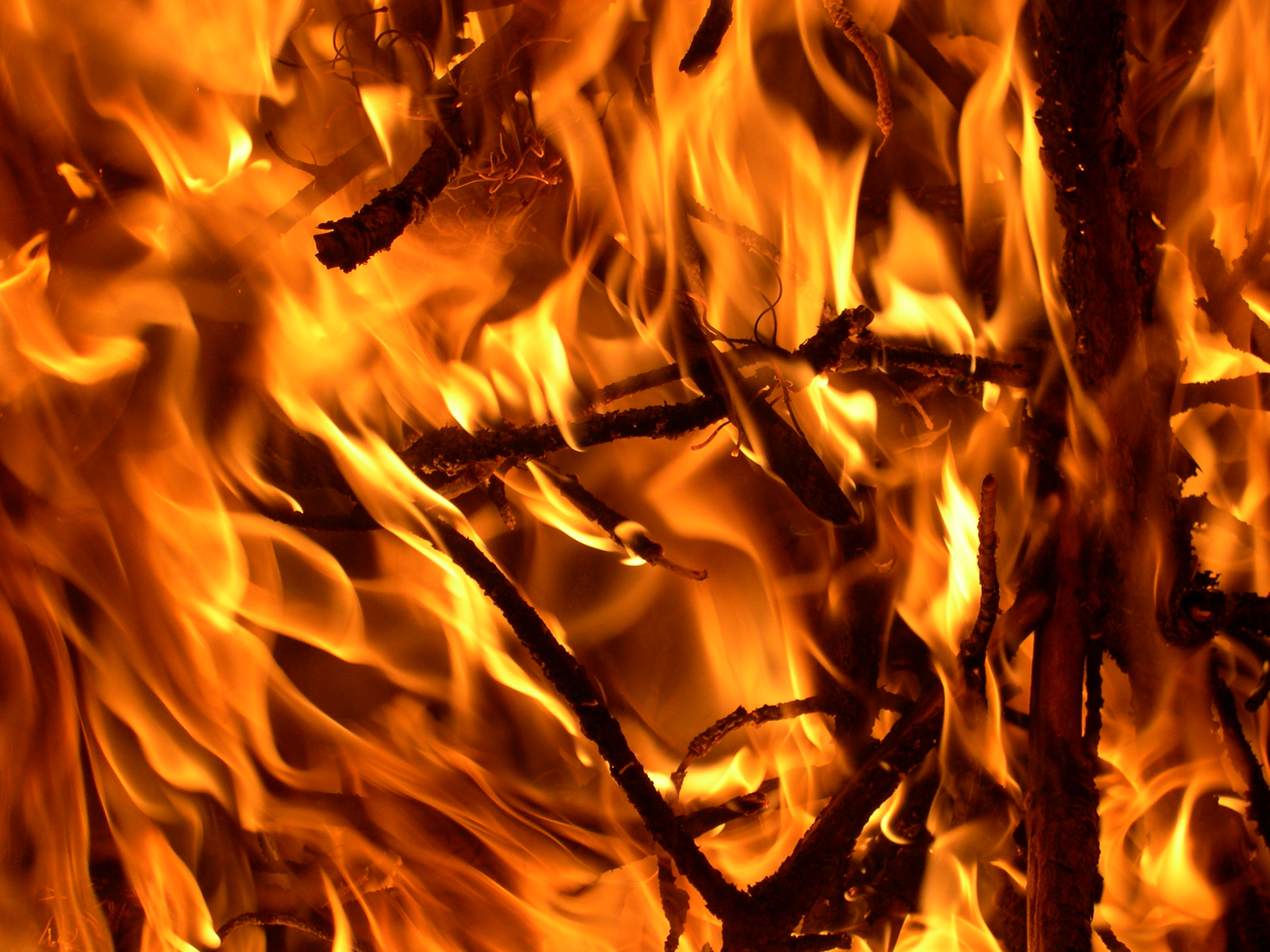
Toomer wrote “Banking Coal” at the beginning of the 1920s, a technologically progressive time when the United States, and the rest of the world, was recovering from World War I. The poem targets this technological advancement and challenges it, emphasizing the value of letting natural resources take their own course instead of forcing them to behave in a way they usually don’t. The first stanza focuses on the beauty of letting nature run its course, describing wood and coal catching on fire as flaring up “beautifully.” The second stanza highlights the contrasting behavior of the flame when it is left to nature versus when humans try to control it, elaborating on how banking coal has made it less productive and more reliant on humans, as “Sometimes the fire left alone / Would die.” The ending of the poem brings the reader’s attention back to “that one grand [natural] flare” that, to Toomer, equates to “All money ever saved by banking coal.”
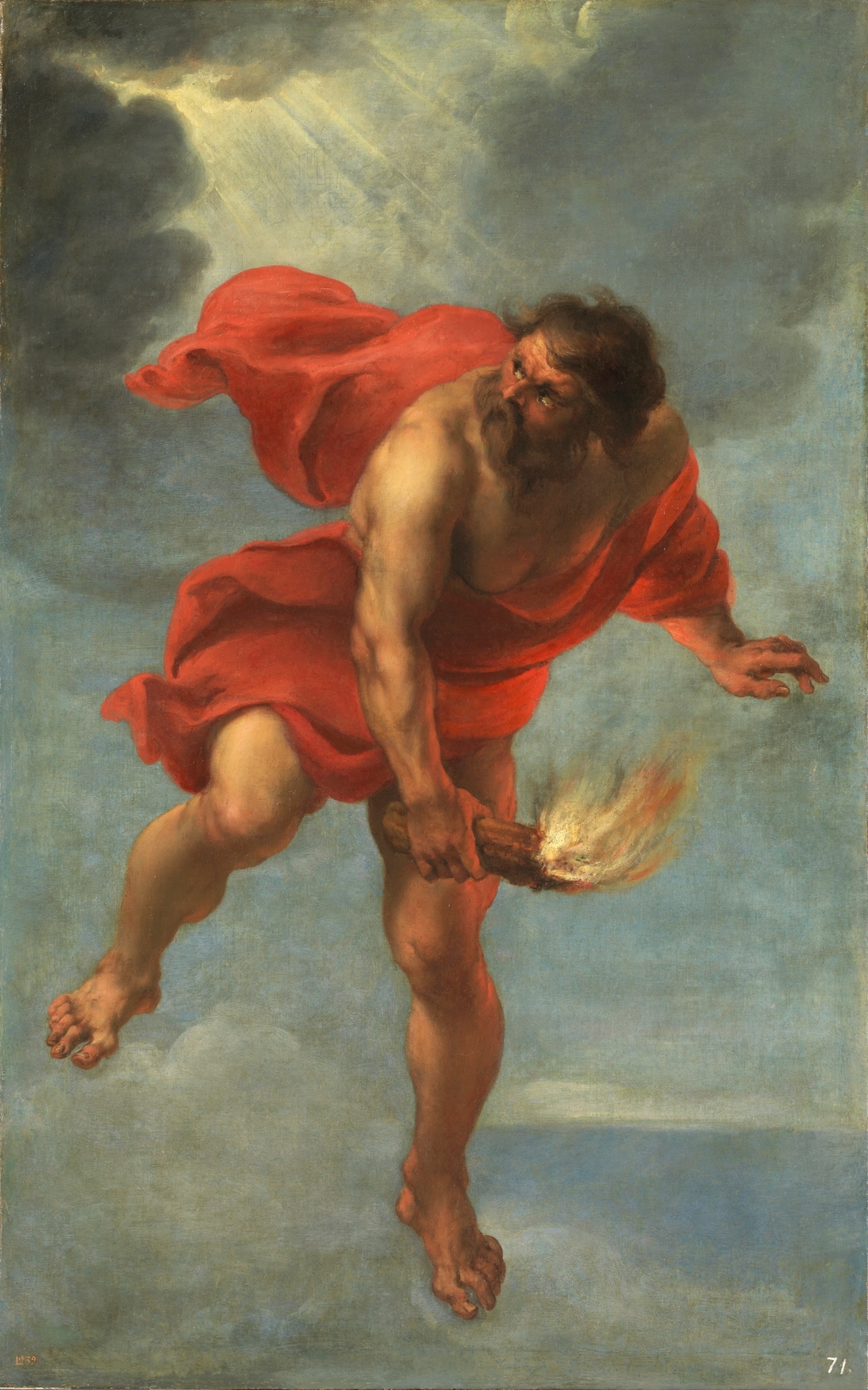
Toomer builds the theme of simplicity to emphasize that humanity has progressed backward since technological advancements in the efforts of banking coal began. In the first two lines of his poem, Toomer references not to the bringer of fire himself (Prometheus from Greek mythology) but the person or entity that allowed Prometheus’s actions to be fruitful for humanity in the long run. He notes that the bringer of “the first wood and coal” was successful in fulfilling “his part.” This allusion allows the reader to gain some familiarity with the timeline Toomer is trying to portray: a time before technology and man’s greed to take every resource for himself. From here, he writes, “The wood and coal in question caught a flame / And flared up beautifully.” This highlights the concept that natural things do not require complicated human interference to successfully transition from one state to the next; nature can beautifully run its course if it’s simply left to its own devices.
Moving forward, in the second stanza, Toomer writes, “Somehow the fire was furnaced,” and that when “left alone [the fire] Would die.” Now, when humans have entered the equation, the fire becomes only a “flicker” when there is no one to tend to it; reliance on man and his technology renders the natural process helpless when no one is around. The juxtaposition between the fire’s characteristics in the first stanza vs. the second stanza proves that human intervention rarely plays out in favor of the natural processes. He also notes that “one grand flare” of natural fire equates to “all money ever saved by banking coal,” shutting down the question of greed and wealth often associated with controlling nature.
Also, throughout the poem, Toomer uses vivid imagery to allow the reader to visualize the extent to which nature’s behavior can change as a result of human attempts to preserve energy and make money. This not only enhances the point that he is attempting to make, but also helps create a common ground on which all readers can understand Toomer’s point of view. From the descriptions of the natural flame to detailing the coal miners and their work, Toomer paints a vivid picture for his audience, ensuring that no reader feels confused about the topic he is discussing.

Toomer pens this poem with the well-being and longevity of natural processes in mind, stressing the importance of leaving nature and the energy it produces uncaged. Although humans view many things in nature as being “simple,” efforts to modernize and advance nature one step forward often results in humanity taking two steps backward.
Bibliography
“Jean Toomer.” Poetry Foundation, https://www.poetryfoundation.org/poets/jean-toomer. Accessed 3 August 2022.
Toomer, Jean. “Banking Coal by Jean Toomer.” Poetry Foundation, https://www.poetryfoundation.org/poems/53987/banking-coal. Accessed 31 July 2022.

This page has paths:
- Coal Texts José Vergara