We Work the Black Seam
Background
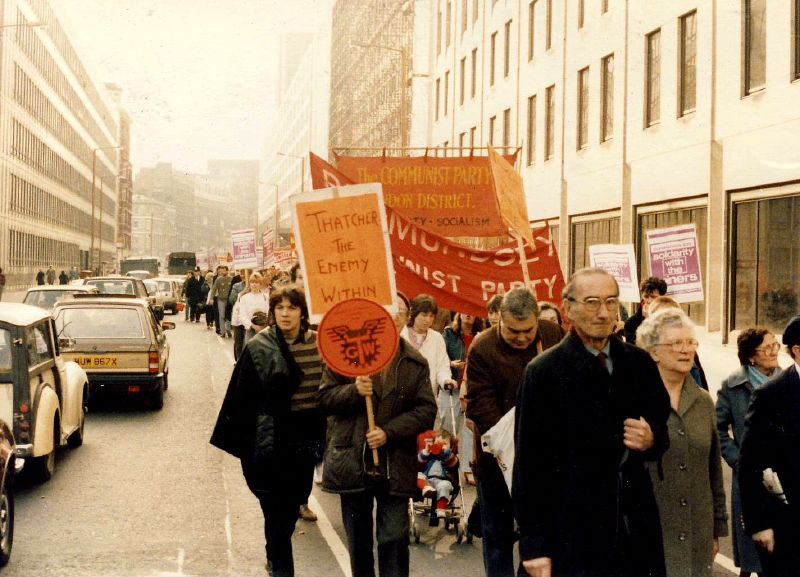
Sting’s “We Work the Black Seam” shares the story of the coal industry workers during the UK Miners’ strike of 1984. The song delves into the mistreatment of industry workers by the government during the Thatcher era from 1979 to 1990. Margaret Thatcher was a conservative British politician who was elected as Great Britain's first female Prime Minister. In March 1984, Thatcher ordered 20 collieries to shut down, leaving mining communities with no source of employment. The National Union of Mineworkers declared a unionized strike from March 12, 1984, until March 3, 1985, when ultimately, the miners accepted that their industry was coming to an end. After the strike failed, most of Britain's coal mines were closed (“The Miners' Strike 1984-85 • Police, Protests and Public Order”).
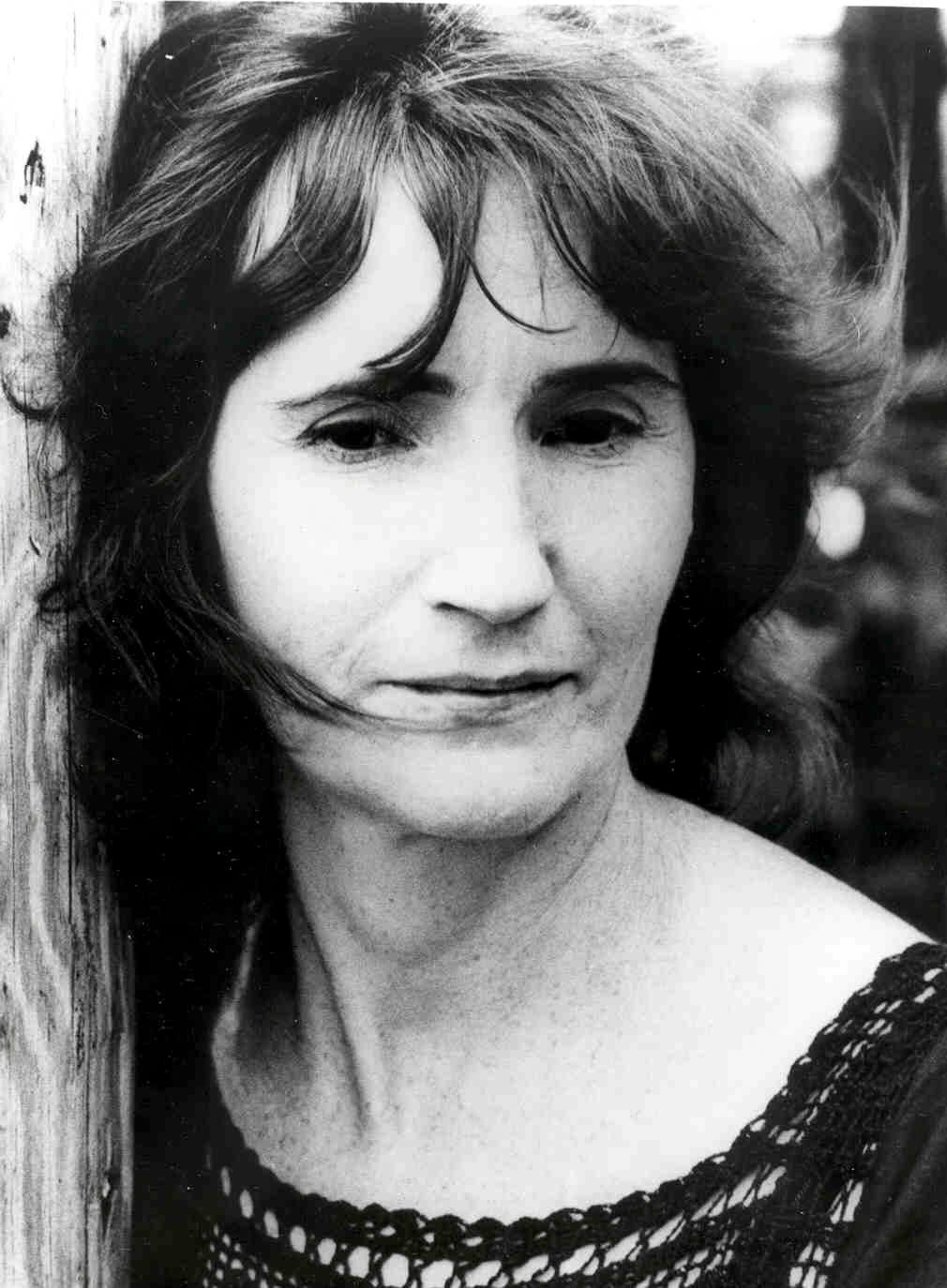
Gordon Sumner, better known as Sting, is a British artist born in Wallsend, Great Britain to an industrial-working family in 1951. Beginning in 1979, Sting starred in many movies and had his written memoir and short stories published, but he is most famously known for his music surrounding political, social, and economic issues (“Gordon Sumner: Biography And Photos”).
Addressing Audiences
Sting connects to an array of audiences through his second-person point of view. He speaks directly to government officials on the workers’ behalf, allowing him to unite the mining community, bring awareness to other UK citizens, and also stand up to parliament. As an artist that speaks out against political topics, this point of view is very useful for Sting. The more audiences that the song speaks to, the bigger impact it will have on the community. The second-person point of view incorporates all parties into the Miners’ Strike issue. The use of words such as “you” and “your” directly confronts Thatcher for the horrors she has caused the workers. While words such as “us” and “we” unite the mining community because these are plural pronouns to refer to a collective group. Using specific points of view can target certain audiences in a more personal way. In this song, the listeners can easily see who Sting sides within the Miners’ Strike. His purpose to expand his beliefs to his listeners is more effective now that he can address them directly.
Musical Composition
Sting’s choice to set the song’s key to A minor paints a somber tone for the piece to encapsulate a deeper emotional connection with his audience. His purpose was to create sympathy for the miners as they braved the strike. Auditory artwork like music stirs an emotional reaction in listeners. To create a more meaningful sound, Sting used the key of A minor compared to a major key, to show the darker and more vulnerable interpretation of the government’s stance on energy. Basic music theory suggests that major chords are used to symbolize cheerful and upbeat tones while minor chords are used to symbolize darker or gloomy tones. In the second verse, Sting uses imagery in his lyrics to connect to the dreary sound of the song. He uses the phrase “dark satanic mills” (“Sting – We Work the Black Seam”) to describe the nuclear plants putting miners out of work as well as to correspond with the dark and satanic sound of the song. These choices were made to show listeners how corrupt Thatcher’s greed for energy advancement was. Many mining communities were left unemployed at the hand of their government.
Realist Dystopia
Throughout the song, Sting illustrates the statist dystopia that the UK has become. Thatcher’s conservative government had become a nightmare for the working class. The dystopia that Sting wrote about was the real living conditions for miners during the strike of 1984. In the introduction of the song, Sting declares:
While Thatcher believes that her politics are changing the UK for the better, Sting uses this phrase to indicate the policies are irreversible. The way miners are not able to give up their jobs is because they were being forced out during the shutdown of the mines. In Sting’s dystopia, the government leaves the working class with no choice but to be unemployed permanently. This scenario is meant to strike fear and anxiety in the audience so that they can understand the mistreatment that the coal miners faced. By illustrating a dystopia that affects everyone, the listener can have an empathetic reaction to the coal mining community during the strike.
Sting's purpose in writing this song was to educate and advocate for the coal miners during the Miners’ Strike of 1984. He wanted to present the audience with what harm the government was unleashing onto these communities and how evil it was. He shared his belief that Thatcher's policies were rooted in greed and only put into place to benefit capitalism at the cost of the working class.
Works Cited
“Gordon Sumner: Biography And Photos.” Atomiyme, en.atomiyme.com/gordon-sumner-biography-and-photos/.
“The Miners' Strike - 1984-85.” Museum Wales, museum.wales/articles/1172/The-Miners-Strike---1984-85/.
“The Miners' Strike 1984-85 • Police, Protests and Public Order.” The Miners' Strike 1984-85 • Police, Protests and Public Order • MyLearning, www.mylearning.org/stories/police-protests-and-public-order/932#:~:text=The%20Miners%E2%80%99%20Strike%20of%201984-1985%20was%20an%20attempt,the%20early%201980s%20the%20collieries%20were%20losing%20money.
“Sting – We Work the Black Seam.” Genius, genius.com/Sting-we-work-the-black-seam-lyrics.
This page has paths:
- Coal Texts José Vergara