"Carbon Democracy: Political Power in the Age of Oil"
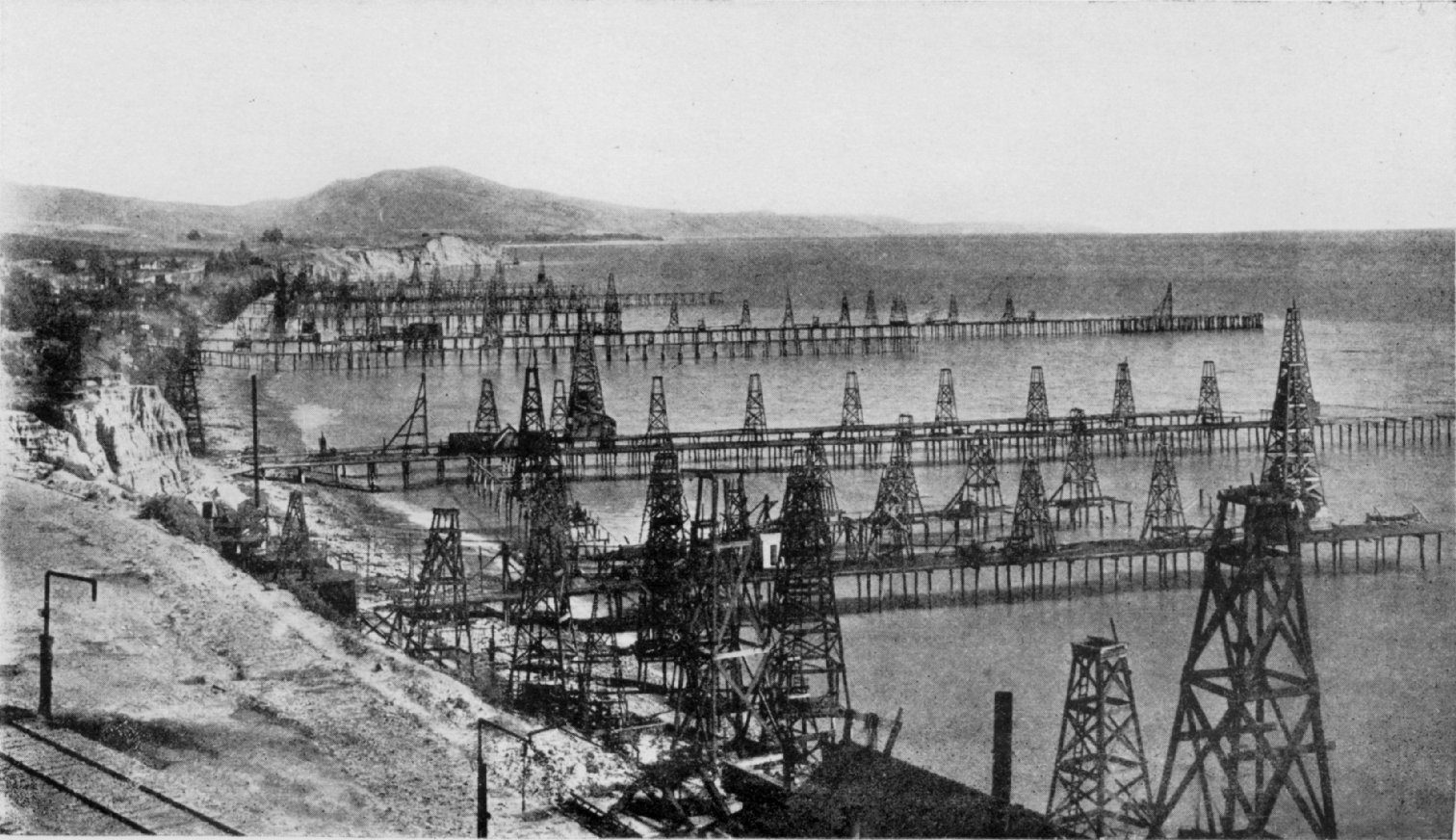
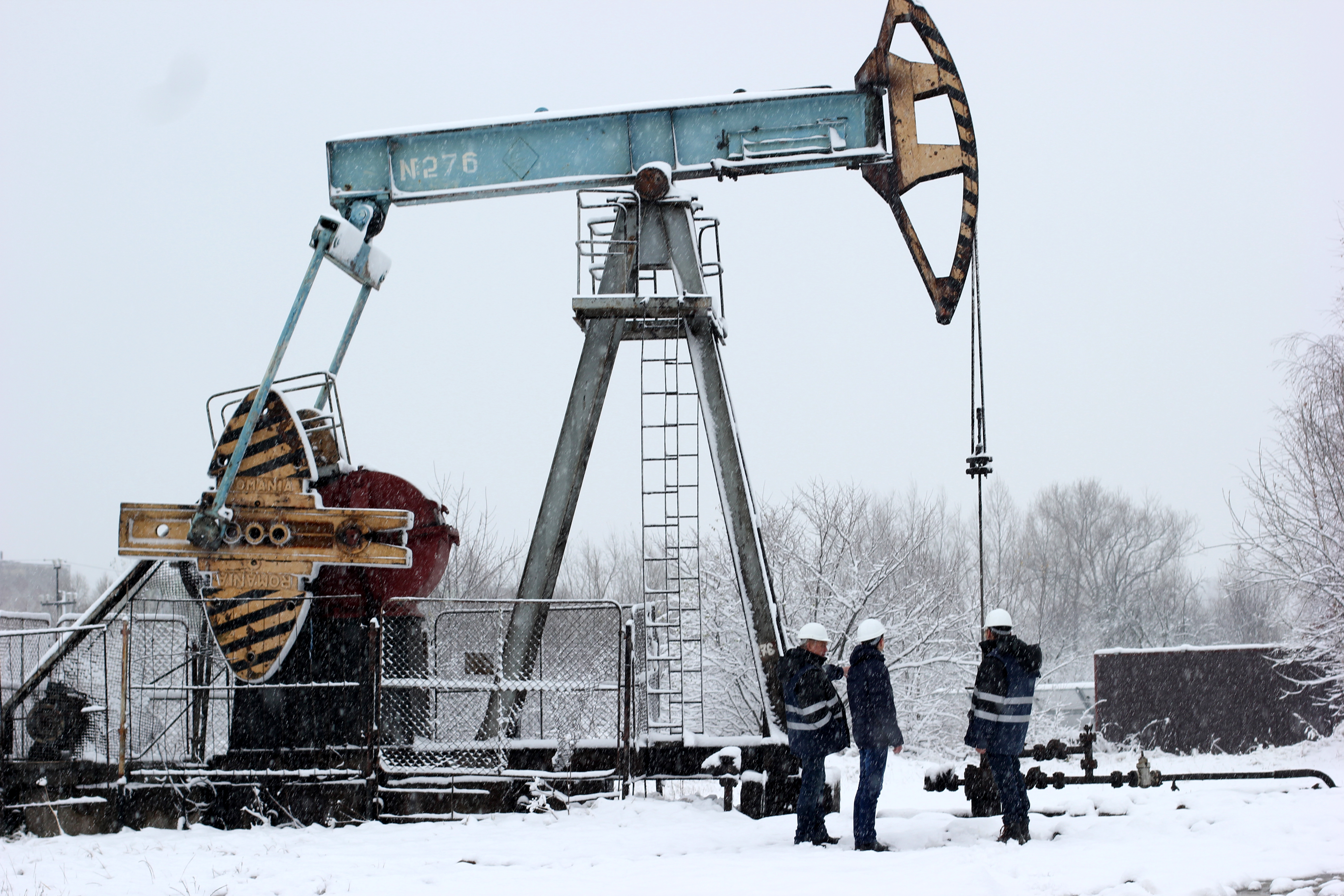
A democracy such as the United States and many other countries in Europe will find it hard to transition to clean energy in the future, because our nation like theirs was founded in terms of the development of fossil fuels. It was also founded on autocratic principles, such as monopolization of coal and oil and suppressing the right to strike and form unions. This created a democracy dependent on these fossil fuels with no alternative, and to survive, it depends on innovation in these industries. In chapter 1, Mitchell outlines the principle that our modern democracy was made possible by the extraction and mass usage of coal (12). In addition to the foundation, coal further supported democracy through the mass protests and miner strikes. This allowed a small population to have a disproportionate influence on the rest of the country (25). This ushered in social remedies such as workers' compensation and health insurance. Not until we made the transition to oil did our economy boom significantly to give the United States overwhelming influence across the globe. One reason for the transition to oil was that oil firms had more control over the production processing of oil because it depended less on a workforce.
In the age of oil, the United States began sponsoring states such as Saudi Arabia, Iraq, and Iran that had large stores of oil and negotiated backroom deals to keep the American dollar afloat and the supplies flowing. While negotiating these contracts with countries that are characteristically undemocratic and conservative regimes, these countries also contributed in a kind of scarcity conflict with oil (202). The region is home to one of the world's largest oil reserves. And rather than pumping all of this for commercial sale, these countries benefited from plugging up wells and minimizing exports to keep the price of oil high. The United States encouraged this behind the scenes because it ensured that the world bought US dollars to do transactions for oil. Additionally, the American economy benefited from providing these regimes with arms and weapons to keep the contracts alive. If the dollar was high, the US was happy, no matter how the other economies in Europe and elsewhere were shaping up. This obsession with scarcity politics made the American political narrative increasingly “de-natured” (235). Now with fossil fuels causing intense harm to the environment and our readily available reserves depleting, people are finally waking up. From the beginning, starting with coal, our modern democracy is intrinsically connected to the extraction and use of fossil fuels. To move on to a cleaner and safer future, we must turn the political narrative back to that of concerning nature.
In conclusion, Mitchell outlines extensively the world’s dependence and democracy’s intrinsic connection to oil and other fossil fuels. Our modern civilization wouldn’t be the same without the technology and social progress that the coal industry helped foster. To dampen the effects of social improvement governments and fossil fuel companies transitioned to oil as a means to minimize the worker’s influence. This is because the process of extraction and processing oil is less dependent on raw human labor and thus less susceptible to disruptions to the larger system. Our modern democracy thrives with fossil fuels as its blood. Actions by the U.S., such as supporting Middle Eastern regimes that engage in autocratic and theocratic principles in exchange for a stable reassurance that the US dollar will holds its value and still be used as leverage. Mitchell provided, elaborates on our current predicament of relying on a depleting source of oil, arguing that there is no one fits all approach. He grants that many economies rely on oil as its blood and depend on this industry to provide for its citizens. One of his suggestions is to reinvigorate the national narrative and make it centered on nature and the harmful attacks we have leveraged on her through the exploitation of coal and oil.
Bibliography:
Timothy, Mitchell. “Carbon Democracy: Political Power in the Age of Oil.” Verso Books. 2011.
This page has paths:
- Oil Texts José Vergara